how to draw 3d cube in illustrator
Preview
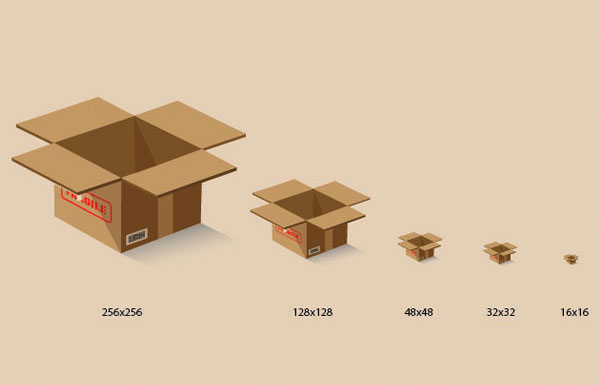
Step one: Depict a 3D Box
Open up a new document in Illustrator. Set it up in the way you prefer. Select the Rectangle Tool (G) from the Tools Console.
Describe a square object on the artboard; hold downward the Shift key to brand a perfect square. Fill the square with grayness. 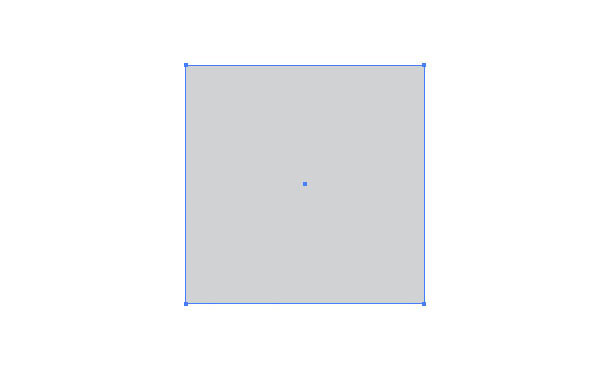 Side by side, we will catechumen the greyness box into a 3D shape.
Make sure the box is selected (if non, apply the Pick Tool) and so get to Effect > 3D > Extrude & Bevel. For the 3D Extrude & Bevel options, use the settings beneath. 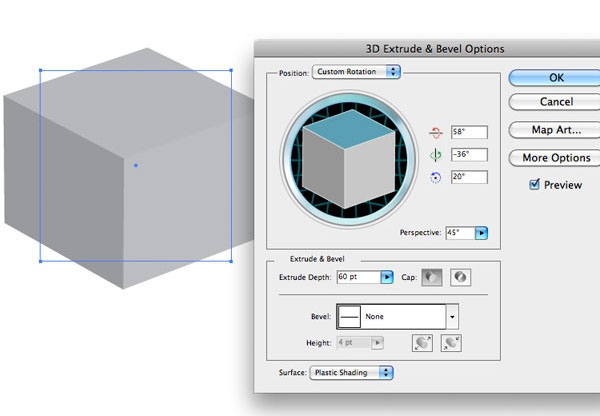 With the shape still selected, go to Object > Expand Appearance.
Now we have a simple 3D box shape. 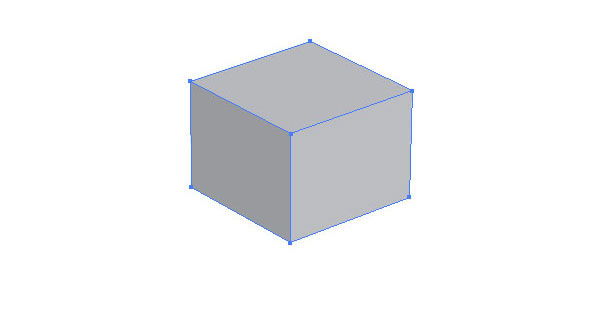
Step 2: Draw the Box'south Flaps
Select the top side of the box with the Direct Selection Tool (A). With the superlative side selected, re-create it (Cmd/Ctrl + C) and then paste it in front end (Cmd/Ctrl + F). 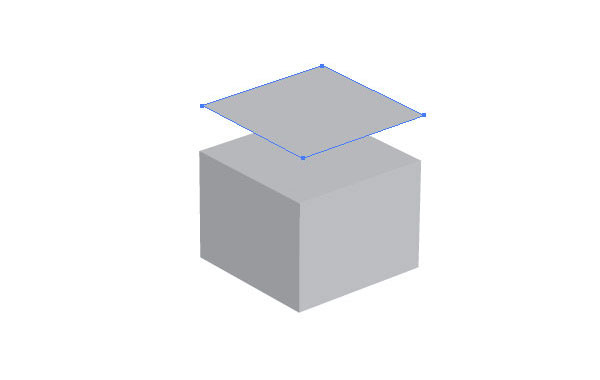 Nosotros want to increase the size of the copied superlative side proportionally.
In order to do that, we tin employ an Starting time Path (Object > Path > First Path) of 25pt. Nosotros will stop up with ii objects, the original elevation side (inner shape) and the 25pt path surrounding it (outer shape). 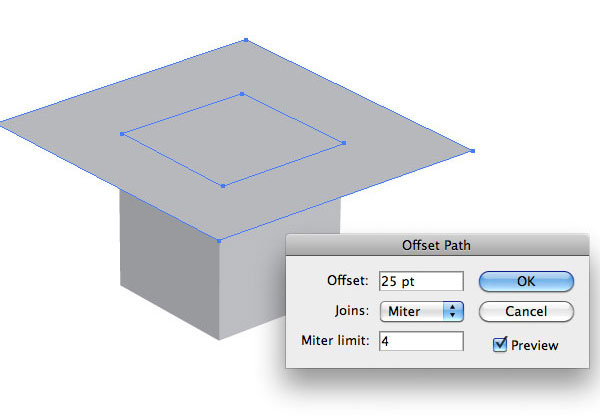 Now we want to subtract the inner shape from the outer shape.
We volition use the Pathfinder Panel (Shift + Cmd/Ctrl + F9) for this. Select the two objects and then click on the Exclude push button in the Pathfinder Console. This will cut out the inner shape.
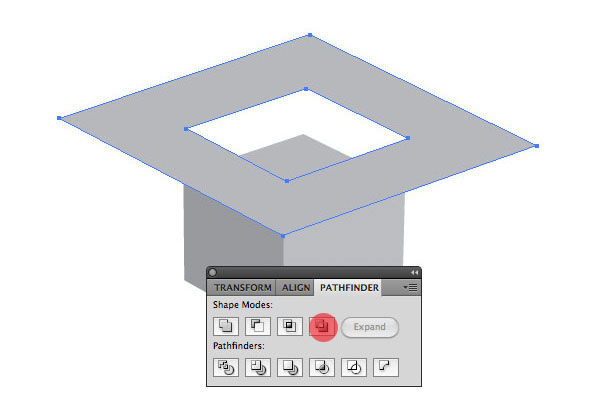 Brand four copies of the top side of the box over again and then align them with each corner of the shape we just made.
 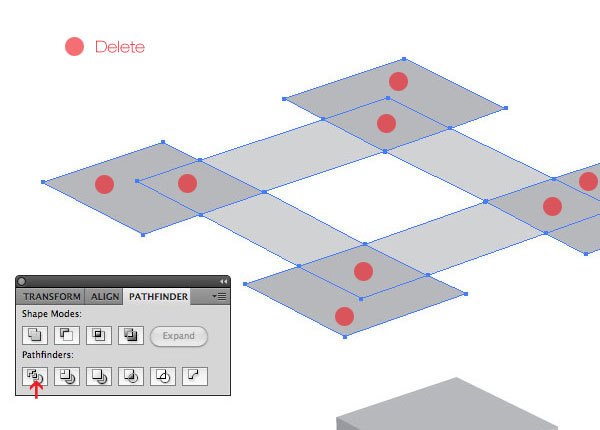 Select all shapes and apply the Split choice in the Pathfinder Panel. And then with the Direct Selection Tool (A), delete all unnecessary objects.
Make sure to delete the middle shape because we want to create a box that is open. 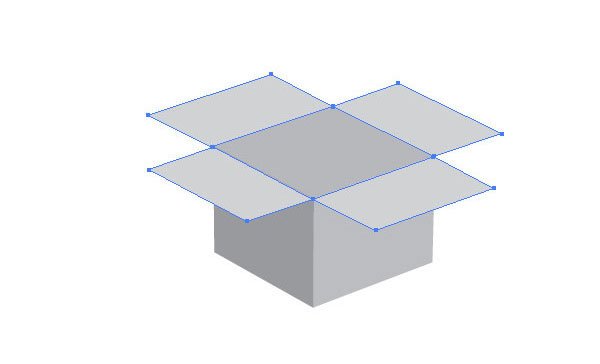
Pace 3: Add Some Color
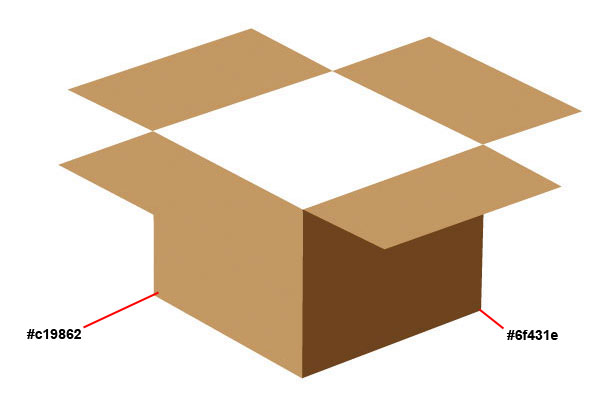
Since we are creating a cardboard box, nosotros want to add some cardboard colors. Select each shape and add the colors of your liking. For the lighter sides of the box, I used #c19862 and for the darker shade, #6f431e.
Step 4: Create an Edge for the Flaps
Select the flaps shape and brand a copy of it underneath (Edit > Copy and and then Edit > Paste in Back). Fill the duplicated shape with a darker dark-brown (#6f431e). 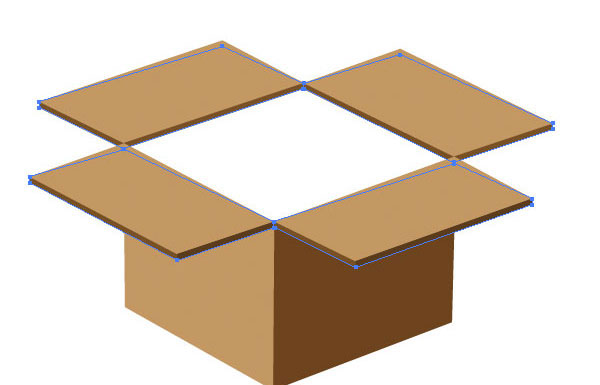
Pace 5: Add the Inner Walls
Use the Pen Tool (P) to draw the inside walls of the box. Draw the paths below all the other objects to hide any awkward seams. Make sure that each shape has a different brown color so that we can distinguish each shape and make our shipping box look 3-dimensional.
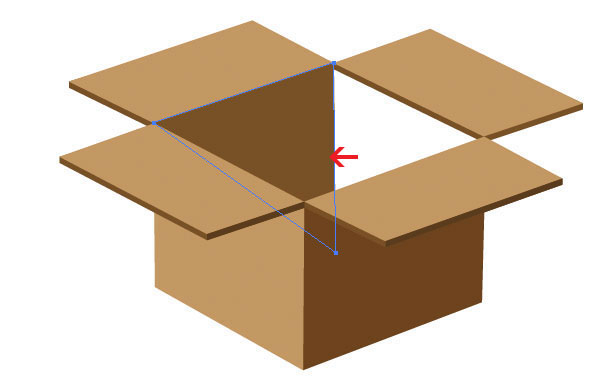 Since the box will have some shadows falling into it, we need to simulate that sort of lighting with some simple shapes.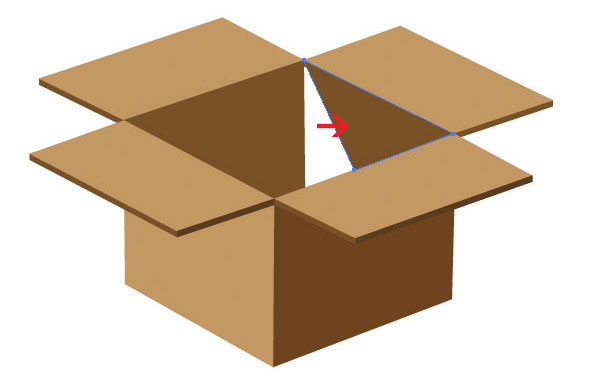
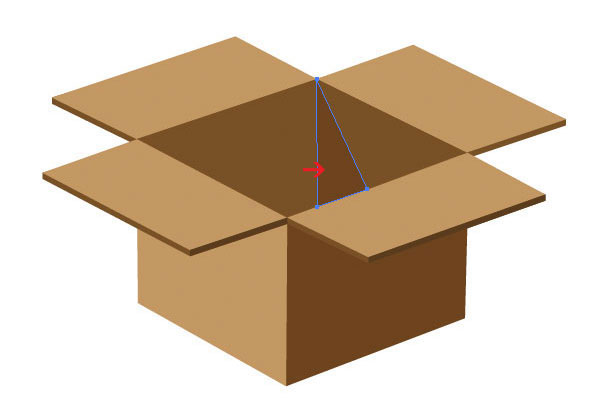
Footstep v: Correcting and Enhancing the Box's Flaps
In a previous step, we fabricated a copy of the flaps and placed information technology underneath to support the 3D shape of our box. Notwithstanding, the corners don't await right. Nosotros need to ready that.
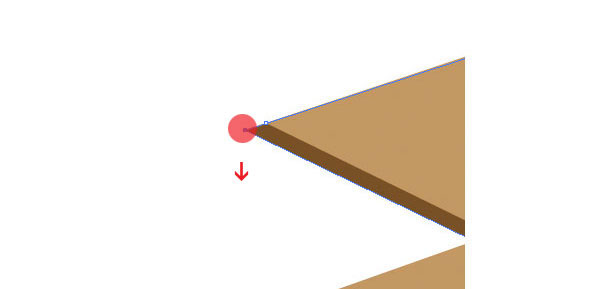 With the Straight Selection Tool (A), select the corner anchor of the bottom flap and drag information technology inwards so that information technology's vertically aligned. Repeat this with each corner where it's necessary.
 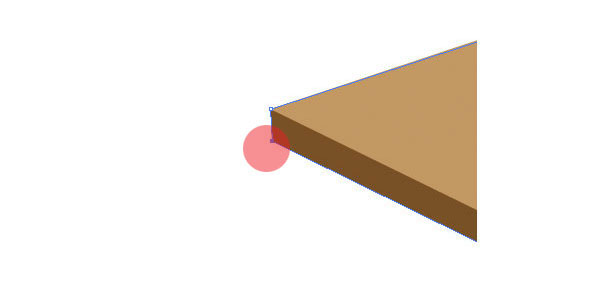 On the front-facing parts of the flap border, we need to add together some rectangle shapes so we get the thickness of the cardboard.
Simply makes some rectangle shapes (shown in ruby) with the Pen Tool (P) and fill them with a darker brown colour. 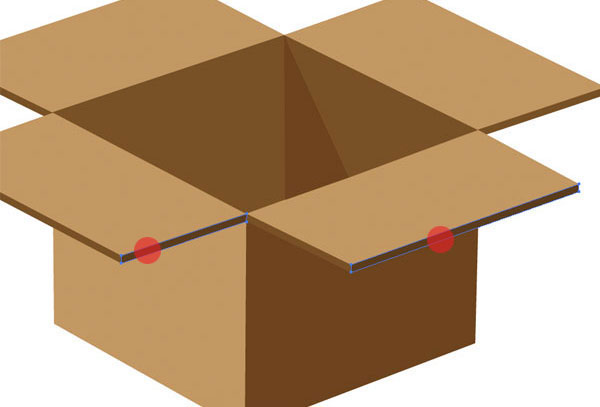
Step vi: Add Surface Highlights and Packing Tape
Allow'due south give our box surface a touch of detail. More specifically, we will give the left side a highlight that will help us keep our lighting consequent. Create a triangular shape and place it underneath the flap, and so fill it with a darker brown colour.
We volition tweak the transparency of the triangular shape using the Transparency Panel (Shift + Cmd/Ctrl + F10). In the Transparency Panel, gear up the Blending Mode to Multiply and reduce the Opacity to 30%. 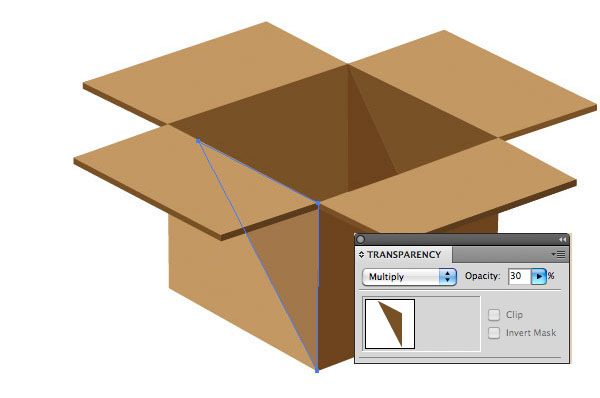 Shipping boxes will usually have record on information technology to seal it up.
Let's brand a simple packing tape detail that goes vertically down the front of the box. Add a rectangle equally a record strip to the front. 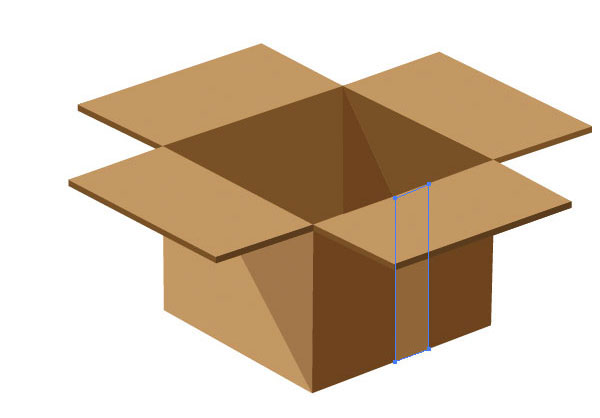
Pace 7: Create the Box's Shadow
Nosotros volition now cast a shadow on the floor. Use the Pen Tool (P) to create a rectangular path at the forepart of the box (below where we placed the packing tape). Nosotros will utilize the Gradient Console (Cmd/Ctrl + F9) to fill the path with a linear black-to-transparent gradient angled in such a way as to match the perspective of the box.
Detect that since our low-cal source comes from the top left, the shadow is slightly bigger on the right. 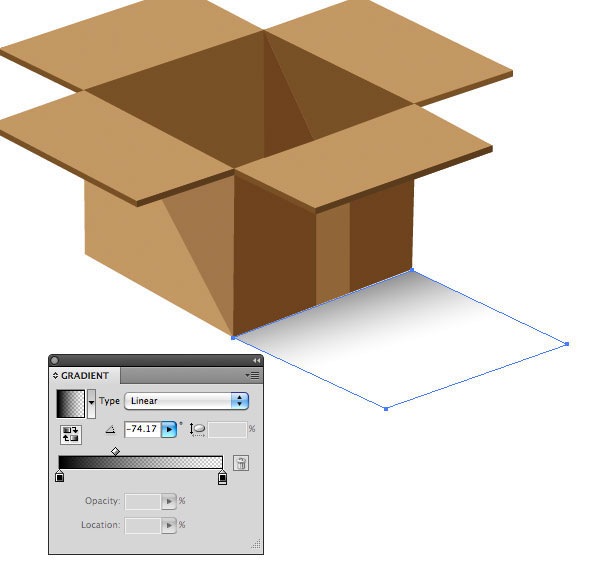
Step 8: Add Torn Packing Tape on the Flaps
Let'south reinforce the realism of our icon by having packing record hanging off the flap to make information technology expect similar an opened box. Create a rectangular shape with the Pen Tool (P) that is aligned with the box'south flap on the left. Add some extra anchor points to the cease then it looks like the tape is ripped off and dangling off the flap.
Then fill the packing record's path with a beige color. Make sure that you placed the shape underneath the flap; you can move it down past pressing Cmd/Ctrl + [ if you drew it on top. 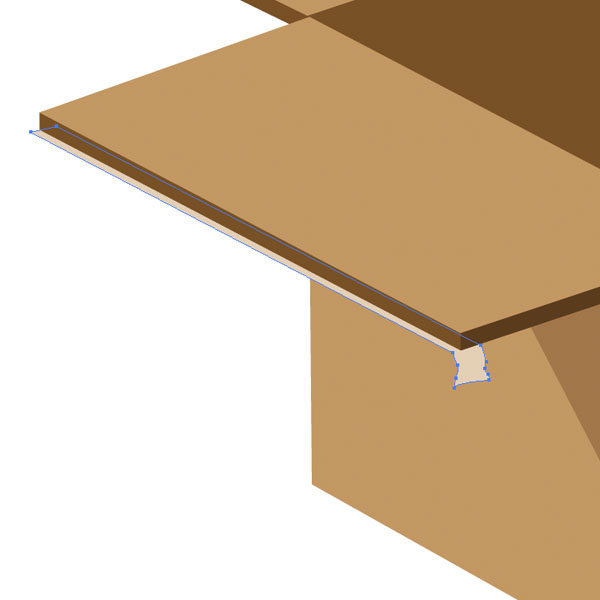
Step ix: Creating a "Fragile" Stamp
For an extra added flake of detail, let'due south add a cerise stamp that says "Fragile." Often, you'll see this in situations where the contents of a parcel are hands breakable, such as computer parts or dishware (eastward.g. porcelain plates). We'll create a stamp from scratch quickly and easily.
I picked a font called Portago ITC TT. Any stenciled font should work well. All you want to do is use the Type Tool (T) to type out the text in all caps.
Gear up the colour to a cherry-red colour. Later, just use the Rounded Rectangle Tool with a cherry stroke to draw a edge around the "Fragile" text. 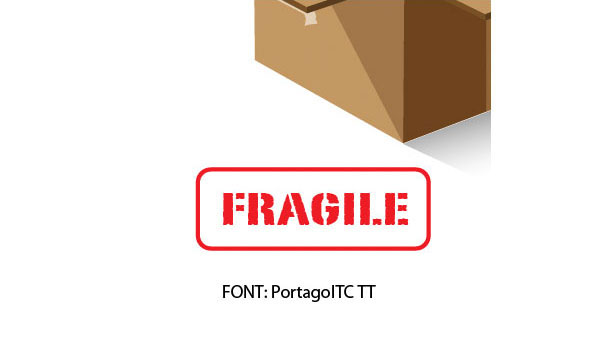 Then create outlines for the text (Type > Create Outlines or Shift + Cmd/Ctrl + O), select the text and the rounded rectangle, so group them together (Object > Grouping or Cmd/Ctrl + G).
Identify the "Fragile" stamp on the side of the box. Match the perspective/bending of our box by using Consequence > Misconstrue & Transform > Free Misconstrue. 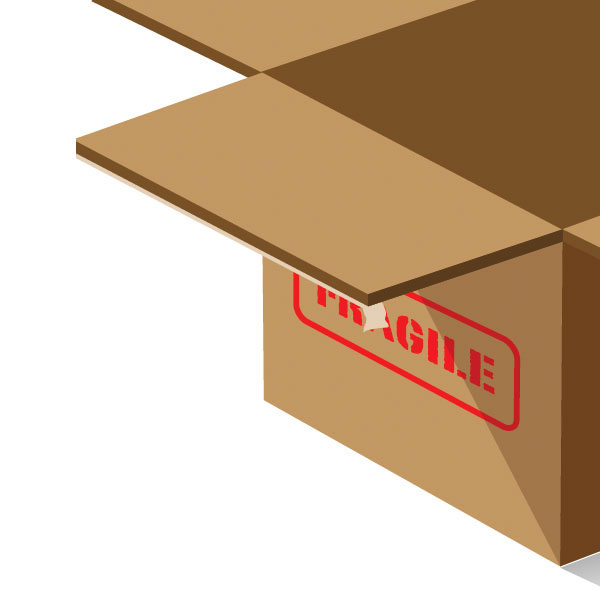
Stride ten: Finishing Details
I thought the shipping box would wait great on a beige background, so I just created a rectangle to serve equally the groundwork beneath the box and filled it with beige (#e4d0b5). 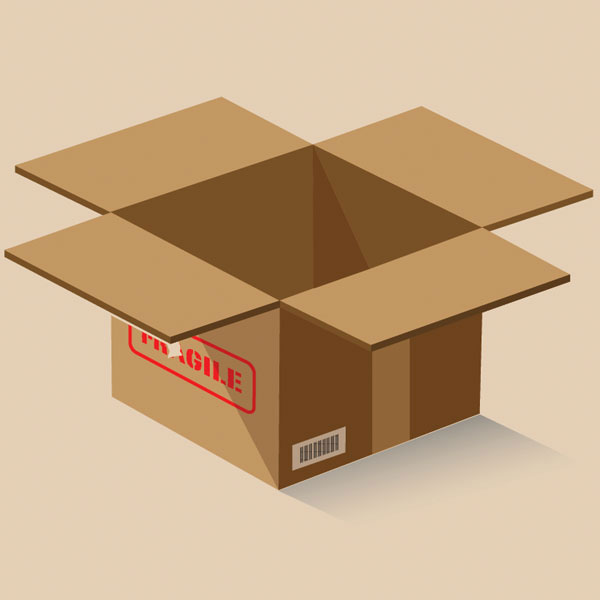 Feel complimentary to add more details to the box. For example, I added a barcode that was created using blackness vertical lines set on top of a beige rectangle (drawn with the Rectangle Tool).
I used the aforementioned method (Effect > Distort & Transform > Free Distort) to friction match the bending and perspective of the box. 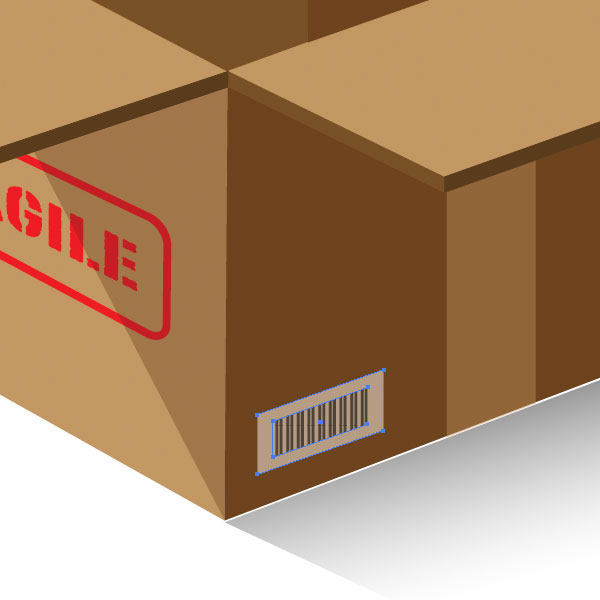
Tutorial Summary
This tutorial involved producing a 3D shipping box icon in Illustrator. We used the 3D Extrude & Bevel event to create the base of operations shape. We used a nifty technique to draw the flaps using the Offset Path command.
We detailed our box with things like packing tape, a red "Fragile" postage, highlights and shadows. Below, I grouped all the shapes of the box, duplicated the group, and scaled them down in a variety of popular icon sizes. I hope you enjoyed this tutorial.
Download Source Files
- shipping_package_box (ZIP, 1.07 MB)
Source: https://www.webfx.com/blog/web-design/create-a-3d-shipping-package-box-icon-in-illustrator/
0 Response to "how to draw 3d cube in illustrator"
ارسال یک نظر